The Getting-Ready Part Nobody Talks About
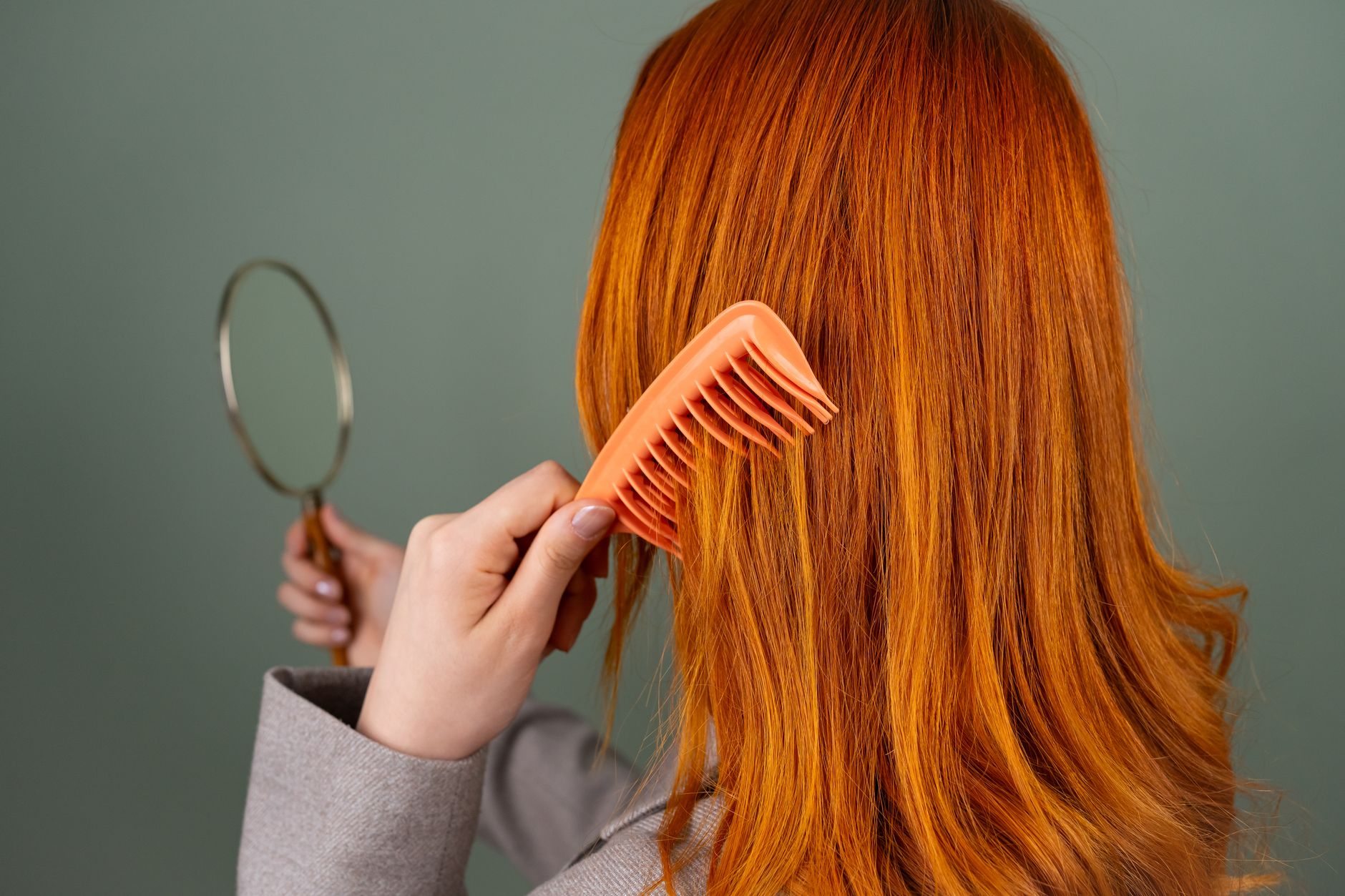
There’s a ritual that happens before the outfit - before the shoes are chosen, before the bag is switched out, before anything is decided. It happens in the bathroom, usually with wet hair, and for a long time the industry treated it like a technical problem to be solved rather than something personal. Funner, the new hair-care brand co-founded by Sonia Kashuk, wants to change that frame entirely.
Who Built This, and Why It Matters
Sonia Kashuk spent sixteen years at Target, building a makeup line that quietly rewired how mass-market beauty worked. Her brushes and tools - professional in quality, affordable in price - developed a following that lasted well past their peak shelf placement. She sold the brand to Target in 2015 and stepped back from the public side of the industry, spending the years since as an advisor and serving on the board of CEW (Cosmetic Executive Women). That’s a decade of watching the beauty and personal care market from the inside without being in it.
Funner is the return. Co-founded with her husband Daniel Kaner - president and co-founder of Oribe - and their son Jonah Kaner, who is running day-to-day operations, it arrives as a 21-piece collection covering shampoo, conditioner, treatments, styling and finishing products. The family structure here isn’t incidental. Daniel Kaner’s background at Oribe meant that Funner developed its formulas with salon stylists, the same pipeline Oribe uses. The results are sulfate-, paraben- and silicone-free, with scalp health, color protection and long-term hair longevity as the organizing priorities.
Japanese beauty and personal care company Kao - which owns Oribe, Goldwell, KMS and others - came in as a minority investor. Kao was direct about what that relationship is and isn’t: Funner is an independent company with its own identity, led by Jonah Kaner. The connection runs through respect for Daniel Kaner’s track record, not through operational control. Kao’s statement described the relationship as reflecting “entrepreneurial instinct, craftsmanship and collaboration,” with Daniel Kaner remaining engaged in his separate, ongoing role at Oribe.
What gets dressed in the morning includes the hair. That’s the argument Funner is building around - that the products you reach for before leaving the house are as much a part of how you present yourself as anything hanging in the closet.
A Design Language That Dresses the Shelf
Where Funner separates itself most sharply from other launches is in how it looks. The brand brought in M/M Paris, the French creative studio with a long history in luxury fashion - Balenciaga, Loewe, and Phoebe Philo’s tenure at Celine are among the collaborations in their portfolio. For a hair-care line entering an extremely crowded market, that’s a deliberate signal. M/M Paris doesn’t typically work on products sitting between dry shampoo and scalp serum. The decision to hire them is itself a statement about what kind of object Funner wants to be.
The result is a visual identity built on shifting colors, typographic movement and graphic variation. Nothing is static or uniform. Campaign photography came from Jamie Hawkesworth, the British photographer whose work moves between fashion and documentary - a combination that keeps images from feeling like advertising, even when they are. Bottles are made from 100% PCR plastic, and jars use mono-material pumps, which matters for recyclability in a product category where packaging waste is substantial.
The pricing sits between mass and prestige: $38 to $52 across the range. That’s a deliberate middle register - not a drugstore impulse buy, not a department store splurge. It positions Funner alongside the kind of considered purchase that people research before making, the same way they might approach buying a well-made accessory rather than a fast-fashion equivalent. The analogy isn’t coincidental. A $48 conditioner and a $45 belt occupy the same mental shelf: affordable enough to actually buy, priced high enough to feel chosen.
Products are not organized by hair type, age or gender. There are no “for dry hair” or “for fine hair” categories. Instead, formulas are grouped by what they do - add shine and softness, build texture, increase volume - and the intention is that they’re mixed and matched depending on what a person wants on a given day. Jonah Kaner put it plainly: “The best version of hair is defined by the person wearing it.”
That last sentence does a lot of work. It’s a direct argument against the prescription model that has dominated hair care - the idea that your hair type is a condition to be managed, and that products exist to correct it toward some fixed standard. Funner’s position is that the standard changes daily, the same way what you wear changes daily, and the products should follow rather than lead.
What This Has to Do With Getting Dressed
The connection between hair and outfit isn’t metaphorical - it’s structural. How hair is worn alters the proportion of a look, changes what a collar does, affects whether a silhouette reads as finished. A slicked-back style changes a relaxed blazer into something more deliberate. Texture left in changes the weight of a minimalist outfit. These are not styling tricks; they’re part of the same decision-making process that happens when choosing what to put on.
Funner launches online and through a select network of salons and independent retailers, including C.O. Bigelow in New York and Cosmetic Market in Nashville, Tennessee. The retail selection is worth noting - C.O. Bigelow in particular is a Greenwich Village institution with a long history of carrying brands before they reach wider distribution. Getting a slot there is not automatic.